
Cognitive Behaviour Therapy (CBT)
Cognitive Behaviour Therapy (CBT) is a widely used, evidence-based psychological therapy. It is recommended in Australia and internationally for conditions such as anxiety, depression, trauma-related difficulties, stress disorders, and emotion regulation problems.
CBT is based on the understanding that thoughts, emotions, physical sensations, and behaviours are closely connected. When someone is experiencing distress, changes in mood or anxiety can influence how they think about themselves, others, and the world. Over time, past experiences can also shape core beliefs—deeply held assumptions that affect how situations are interpreted, often outside of conscious awareness.
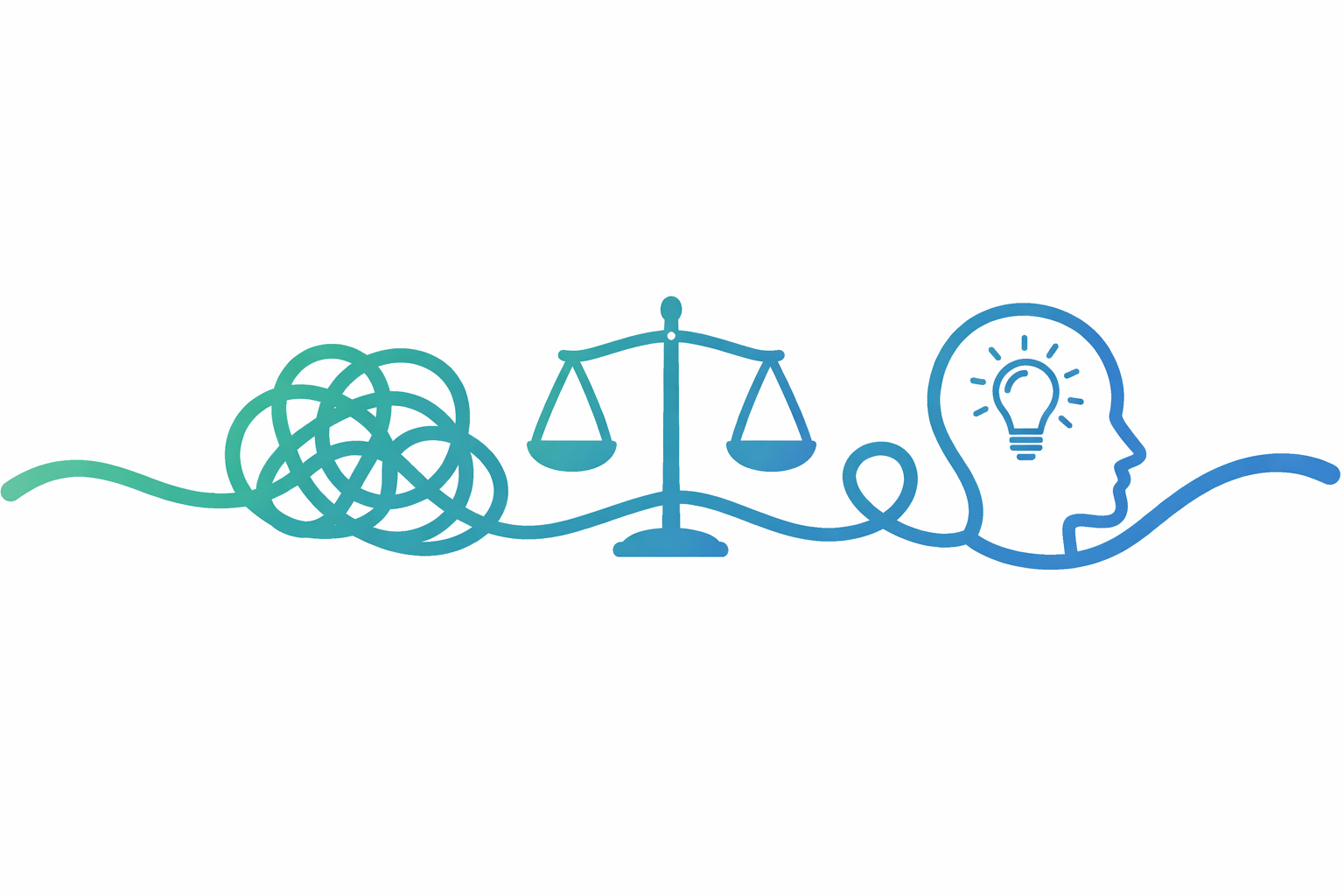
In CBT, therapy focuses on identifying patterns of thinking and behaviour that may be unhelpful or which keep difficulties going. This does not mean thoughts are “wrong” or that people are to blame for how they feel. Rather, CBT helps people understand how their mind has learned to respond, and how new, more balanced ways of responding can be developed.
CBT is typically structured, collaborative, and goal-focused. Sessions may involve learning skills to:
notice and understand unhelpful thinking patterns
test out alternative, more realistic perspectives
reduce avoidance and build confidence through gradual change
manage strong emotions and physical symptoms
strengthen coping and problem-solving skills
CBT is practical and active, with strategies designed to be used in everyday life. It aims to support people to better understand their experiences, reduce distress, and develop skills that continue to be helpful well beyond therapy.