
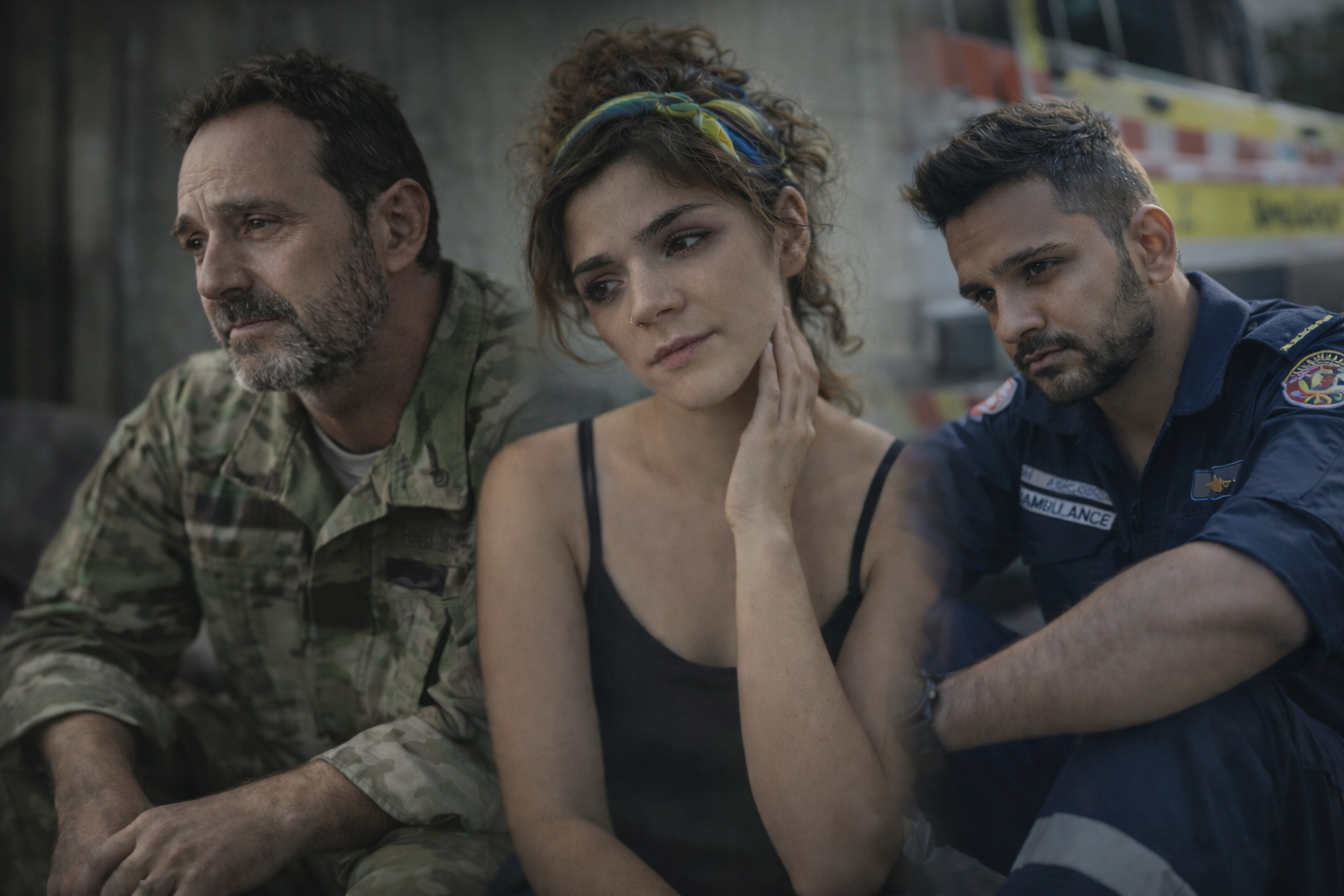
PTSD & Trauma
Experiencing trauma can have a lasting impact on how we think, feel, and respond to the world. Trauma may result from a single overwhelming event or from repeated experiences that exceed a person’s capacity to cope. While many people recover over time, others continue to experience distress that affects daily life, relationships, work, and wellbeing.
Post-Traumatic Stress Disorder (PTSD) can develop when the mind and body remain in a state of threat long after the danger has passed. Common symptoms include intrusive memories, nightmares, avoidance of reminders, feeling constantly on edge, emotional numbing, and changes in mood or behaviour. These reactions are understandable responses to experiences that were overwhelming at the time.
Types of Trauma
Single-incident trauma (e.g., accidents, assaults, medical emergencies)
Chronic or repeated trauma
Childhood trauma
Workplace or occupational trauma
Vicarious or secondary trauma
Trauma associated with military, emergency, or frontline service
PTSD is not a sign of weakness. It reflects the brain's attempt to protect a person following an experience that felt unsafe, unpredictable, or life-threatening.
I work collaboratively with people to understand how trauma has affected them, why symptoms persist, and what may support their recovery. Trauma therapy is paced carefully and aims to create both safety and confidence before processing traumatic memories.
I use evidence-based approaches such as EMDR, trauma-focused CBT, ACT, and DBT-informed strategies to help people:
• reduce distress from traumatic memories
• shift unhelpful beliefs that developed after the event
• manage hypervigilance, strong emotional reactions, or avoidance
• develop effective grounding and regulation skills
• rebuild trust, confidence, and a sense of safety
• reconnect with meaningful relationships and activities
Trauma affects people in very individual ways. Therapy is tailored to your circumstances, preferences, and readiness, and is always approached with care, validation, and a focus on stabilisation and long-term recovery.