
Eye Movement Desensitisation and Reprocessing (EMDR)
Eye Movement Desensitisation and Reprocessing (EMDR) is an evidence-based therapy used to treat trauma and trauma-related difficulties, including Post-Traumatic Stress Disorder (PTSD). It is recommended by major international and Australian clinical guidelines.
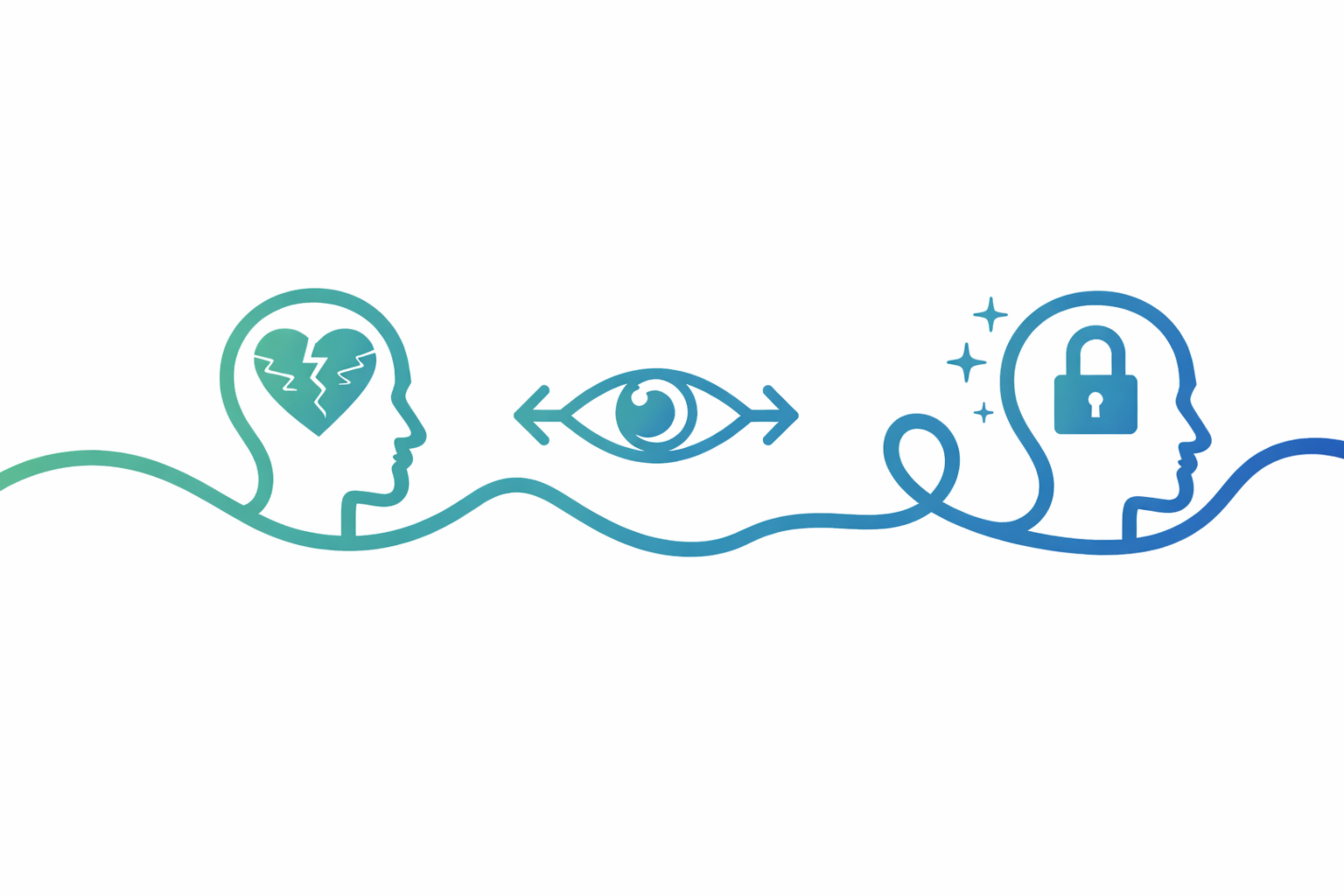
EMDR is based on the understanding that traumatic experiences can become “stuck” in the brain, leaving memories, emotions, and physical sensations unprocessed. When this happens, reminders of the event can trigger distress long after the danger has passed.
During EMDR, therapy supports the brain’s natural ability to process and integrate traumatic memories. This is done using structured protocols that involve focusing briefly on aspects of the memory while engaging in bilateral stimulation (such as guided eye movements). Over time, this can reduce the emotional intensity of the memory and allow it to be stored in a more adaptive way.
EMDR can help people:
reduce distress linked to traumatic memories
lessen emotional and physical reactivity
shift negative beliefs that developed after trauma
feel safer and more grounded in the present
EMDR is carefully paced and always prioritises safety and readiness. It does not require detailed verbal retelling of traumatic events and is tailored to each person’s needs and capacity.